A Level Chemistry “Explain” vs “Evaluate”: A Complete Guide 2026
Mastering A Level Chemistry “explain” and “evaluate” means knowing how to earn marks by using correct chemical theory to explain observations, then…
Read more →Showing 46 - 54 of 99 results
Mastering A Level Chemistry “explain” and “evaluate” means knowing how to earn marks by using correct chemical theory to explain observations, then…
Read more →
A Level Biology Practical Questions test your ability to plan and justify experiments, identify the independent variable, dependent variable, and an appropriate control group,…
Read more →
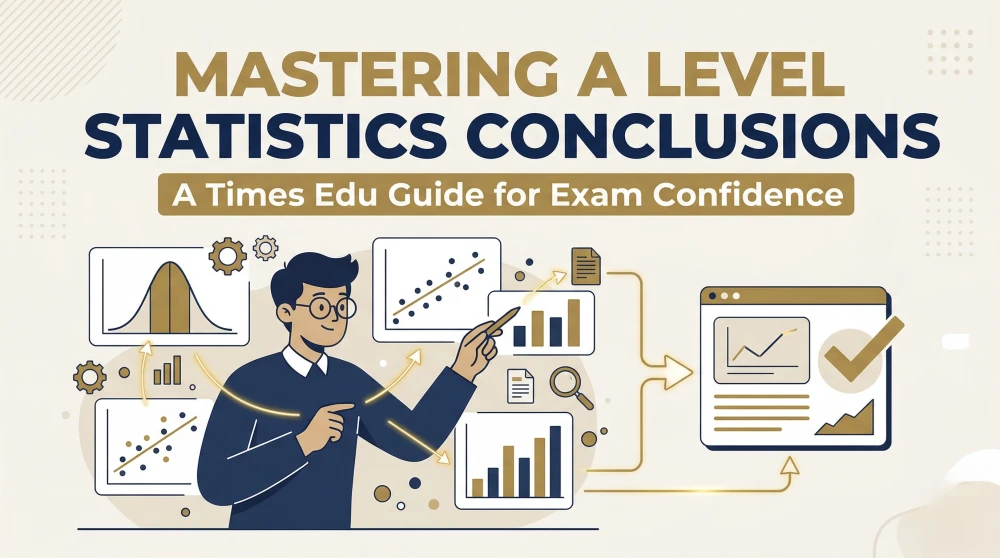
A Level Statistics Conclusions are the final, evidence-based statements that answer the exam question by interpreting results from the statistical enquiry cycle in clear…
Read more →
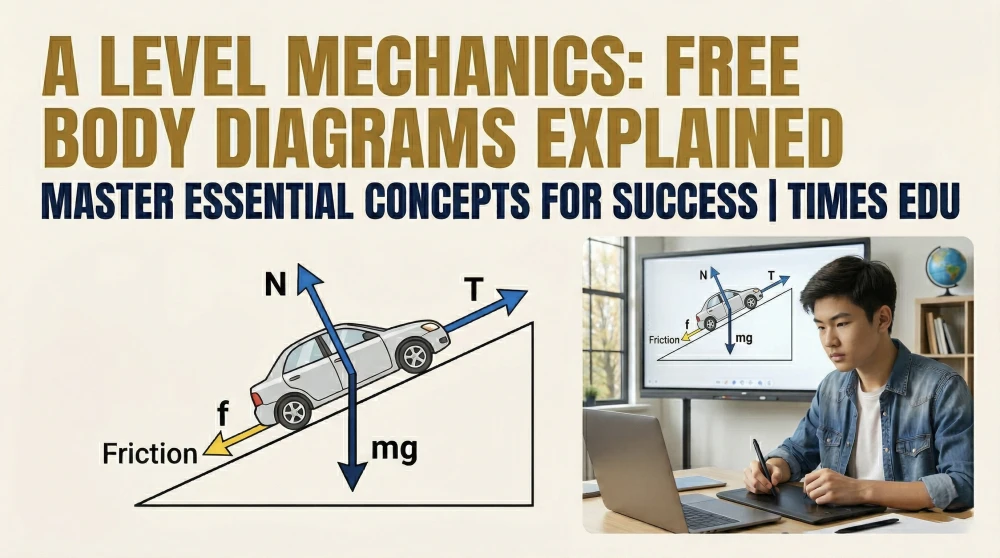
An A Level mechanics free body diagram is a simplified sketch that isolates one object and shows all external forces on it as vectors with correct…
Read more →
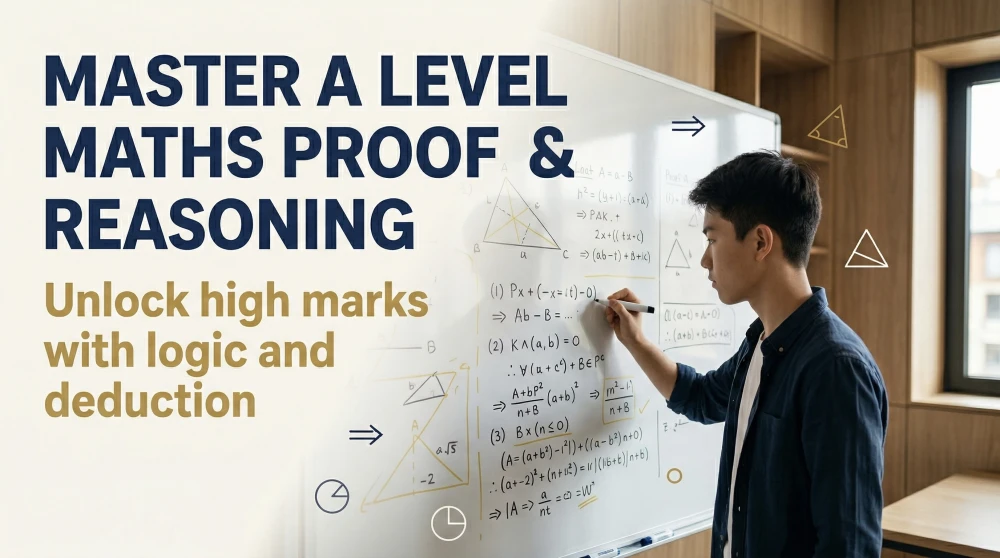
A Level maths proof reasoning is the disciplined, step-by-step process of showing a mathematical statement is true for all valid cases using definitions, algebra,…
Read more →
The A Level evaluate command word asks you to make a reasoned, evidence-based judgement about the value, effectiveness, or importance of an idea, policy,…
Read more →
A Level past paper progression is a structured revision method where you move from topical questions to full, timed A Level papers, starting with…
Read more →
An A Level revision calendar is a structured, personalized plan that breaks each subject into weekly study blocks using a syllabus checklist, so you…
Read more →
If you’re A Level falling behind, act early: Identify the specific topics and exam skills causing the drop, then rebuild them through targeted…
Read more →